My Experience at WordCamp Europe 2026 in Kraków
WordCamp Europe has officially become a tradition for me. After Turin and Basel over the past two years, I packed my bag again, this time heading to Kraków for #WCEU2026, held from June 4 to 6 at the ICE Kraków Congress Centre. And this edition was special for a reason that had nothing to do with the schedule: I got to share it with two good friends.
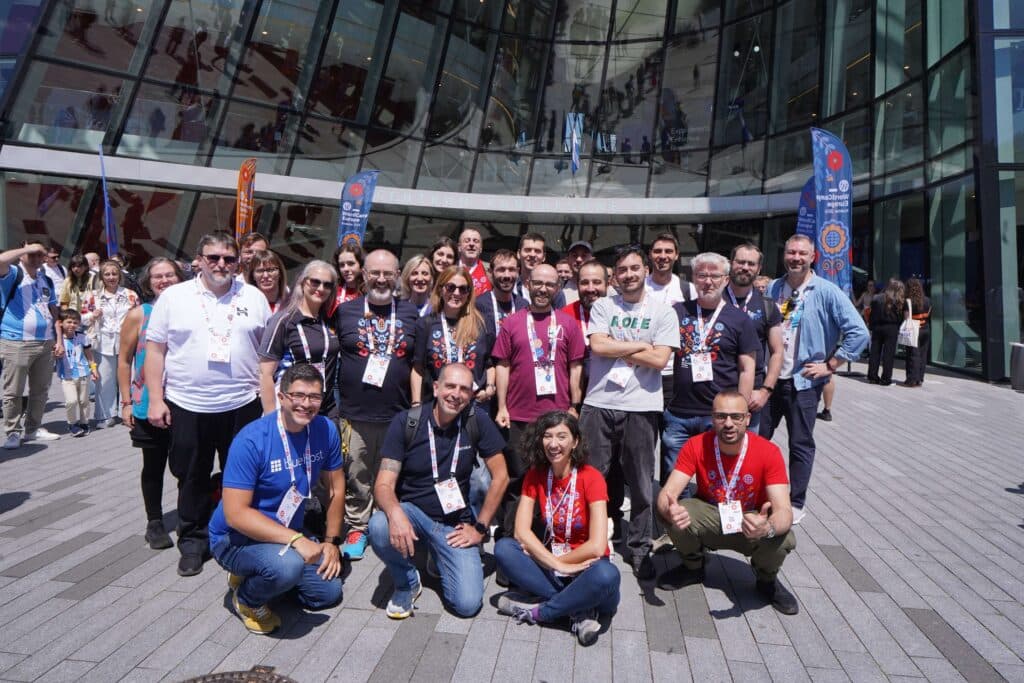
A city rediscovered
I’d been to Kraków a few times before, the last visit around ten years ago, and coming back I almost didn’t recognize how much energy the place has. The city felt extremely alive, clean, and safe, the kind of place where you happily wander on foot. We ate our way through it between sessions, and what struck me most was how many of the restaurants and shops were independent rather than chains. There’s a real local character to Kraków, and exploring it again after so many years was honestly one of the highlights of the whole trip.
One of my favorite moments was wandering the city on the first day with colleagues from the Italian WordPress community, and getting to know so many people from the Pisa community in particular. WordCamps have a way of turning acquaintances into friends, and the best part is we won’t have to wait long to do it again: I’ll be seeing many of them in November for WordCamp Pisa.
A small but brilliant detail from the organizers: every attendee badge carried a transport hologram, good for unlimited trams and buses for the duration of the event. No tickets, no apps, just hop on. It tells you how much the local team sweated the details.
Day one: Elementor Day
To kick things off, I spent the day before the conference at the Elementor Day community workshop, and the energy was incredible. The Elementor team gave us an exclusive, hands-on look at where the ecosystem is headed, and there’s some seriously powerful tech coming our way.
My main takeaways from the sessions:
The Atomic Editor (V4). This is a massive architectural shift. Seeing how version 4 implements Variables, Classes, and atomic design from the ground up makes it clear that web creation is becoming faster, cleaner, and far more scalable.
Angie AI. We got a preview of upcoming WordPress-specific agentic workflows, all about speeding up development for production-ready assets safely, without losing an ounce of control.
Sticklight & “Vibe Coding”. Building full apps, booking systems, and dashboards using natural language is no longer a futuristic concept. It’s here.
A huge thank you to Laura Sacco for the invitation, and to Miriam Schwab, Roi Tal, and the rest of the Elementor team for hosting such an insightful afternoon.
Day two: Contributor Day
Day two was all about rolling up my sleeves for an intense and inspiring Contributor Day.
I spent my morning at the Core AI Team table, diving deep into the experimental canonical WordPress AI plugin. The future of AI in WordPress is being built right now, and the energy to explore and push boundaries was contagious. I tested the plugin, connected my very first AI provider, and got a front-row seat to some incredible experimental features in action.
I also got to give something back. I opened two issues on GitHub: one bug report, which by the time I’m writing this post has already been fixed and merged into the plugin, and one enhancement for a new feature request. Open source is beautiful precisely because it’s iterative, and it felt great to leave a small mark on the roadmap.
To balance out a full day of brainpower, I kept up with my training routine and went for a run along the river. Kraków is an incredible backdrop for this event, both inside the venue and outside on the running paths.
The main conference
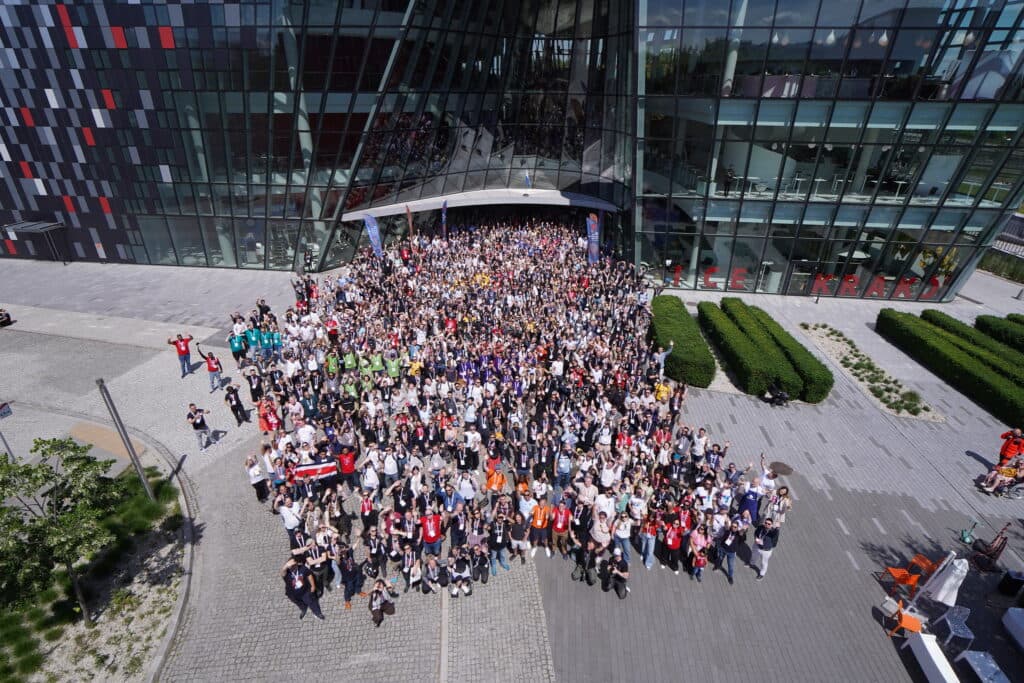
The location and the organization were excellent across the board. With more than 60 sessions across multiple tracks (49 talks, 10 workshops, and three panels) and 2,458 attendees from 81 countries, there was always something to dig into. One thing I always enjoy is chatting with the teams at the sponsor stands: being able to ask direct questions and really understand a product, beyond the marketing, is one of the most useful parts of any WordCamp.
As a developer, the sessions that stuck with me most leaned technical. A few highlights:
Improving the performance of the WordPress Query classes was probably my favorite of the whole conference. A deep, practical look at squeezing more performance out of one of the most-used parts of WordPress, the kind of thing that pays off immediately in real client projects.
Smarter plugin permissions with the Abilities API was another standout. With WordPress 7.0 shipping the AI client in core, seeing how the Abilities API reframes plugin permissions felt like a glimpse of the foundation everything else will be built on.
Two worlds collide: WordPress at CERN was simply inspiring, a reminder of just how far this platform reaches, and how seriously it’s used well beyond the contexts we usually imagine.
Beyond those, a cluster of talks spoke directly to the way I work: Headless WordPress API security in 10 minutes (especially relevant given the Next.js headless setup I run), The hidden DDoS threat in WordPress: abusing the search endpoint, and Stress testing and scaling WordPress on a $12 VPS. All of them immediately applicable to the maintenance and security side of my work. The future of SEO panel and AI search: why your whole company should care rounded things out on a topic I’m thinking about a lot right now.
As always, the talks were rich with ideas, several of which I’m already putting into practice.
The side events (and one near-tattoo)
The side events were genuinely some of the best moments. The Elementor training event, the WooCommerce gathering on a boat, and the Patchstack & WP Umbrella rooftop were all fantastic, exactly the kind of relaxed setting where the most interesting conversations happen. At one point I even half-seriously considered getting a tattoo at the event. (Almost.)
Until Málaga
Kraków was generous with its history, its food, its community, and the company of good friends. I left with a full notebook, a few new connections, and the same feeling I had after Turin and Basel: that the best thing about WordPress isn’t the software, it’s the people who gather around it.
Next year WordCamp Europe heads to Málaga, and I already have one goal: to make time for some of the hands-on workshops I couldn’t fit in this year. See you there.